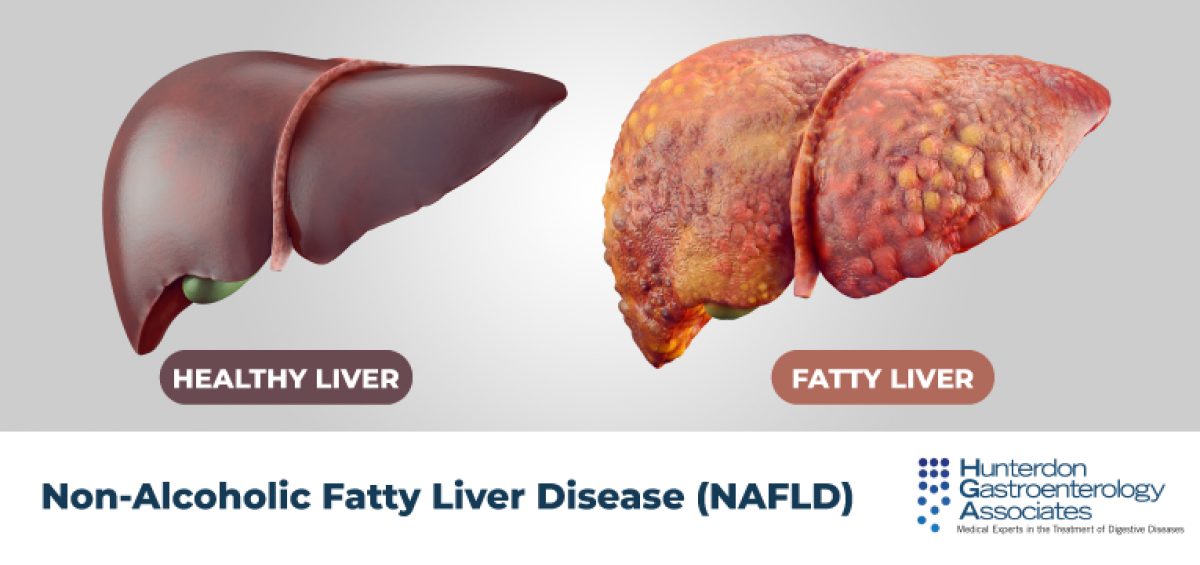
Non-alcoholic fatty liver disease (NAFLD) is the most common chronic liver condition worldwide, affecting roughly one in four adults. Despite its prevalence, public awareness remains low. Many people discover they have fatty liver only after routine blood work reveals elevated liver enzymes. The good news is that NAFLD is largely reversible through diet and lifestyle changes. This guide covers everything you need to know about causes, diagnosis, treatment, and long-term management.
Key Point: NAFLD is not caused by alcohol consumption. It develops when excess fat builds up in the liver due to metabolic factors such as insulin resistance, poor diet, and physical inactivity. Early detection and intervention can prevent progression to cirrhosis.
What Is Non-Alcoholic Fatty Liver Disease?
NAFLD encompasses a spectrum of liver conditions characterized by excess fat accumulation in liver cells. A healthy liver contains little to no fat. When fat exceeds 5 percent of the liver's total weight, the condition is classified as fatty liver disease. The spectrum ranges from simple steatosis (fat accumulation without inflammation) to non-alcoholic steatohepatitis (NASH, which includes inflammation and liver cell damage), and can advance to fibrosis, cirrhosis, and liver failure.
Simple steatosis follows a relatively benign course in most people and may never cause noticeable health issues. NASH, however, is more aggressive. The inflammation triggers a wound-healing response that deposits scar tissue (fibrosis) in the liver. Over years or decades, this scarring can progress to cirrhosis, where the liver becomes permanently hardened and loses function. According to the American Liver Foundation, approximately 20 percent of people with NASH will develop cirrhosis within 20 to 30 years if left untreated.
It is important to distinguish NAFLD from alcoholic liver disease, which looks similar under the microscope but has a different cause. NAFLD occurs in people who drink little to no alcohol, and its primary driver is metabolic dysfunction rather than toxin exposure. The term metabolic dysfunction-associated steatotic liver disease (MASLD) has been proposed as a more accurate name, reflecting the condition's metabolic roots.
What is the difference between NAFLD and NASH?
NAFLD is the umbrella term for any amount of excess fat in the liver. NASH (non-alcoholic steatohepatitis) is the inflammatory subtype of NAFLD that includes liver cell damage. Only people with NASH are at significant risk for progressing to fibrosis and cirrhosis. A liver biopsy is the only way to confirm NASH, though non-invasive tests can suggest its presence.
How Common Is NAFLD?
NAFLD has reached epidemic proportions worldwide. Current estimates suggest that approximately 25 to 30 percent of the global adult population has fatty liver, translating to roughly two billion people. In the United States, the prevalence is even higher, affecting 30 to 40 percent of adults. Rates are particularly elevated among Hispanic populations (up to 45 percent), followed by White and Asian populations, with African Americans showing slightly lower prevalence.
The condition is tightly linked to the global rise in obesity and type 2 diabetes. Among individuals with obesity, NAFLD prevalence exceeds 70 percent. For those with type 2 diabetes, the rate is approximately 60 to 70 percent. Alarmingly, NAFLD is increasingly diagnosed in children and adolescents. A 2023 analysis in Pediatrics estimated that 10 to 15 percent of children in the United States now have fatty liver, driven largely by increased consumption of sugar-sweetened beverages and ultra-processed foods.
A 2024 projection in Clinical Gastroenterology and Hepatology warned that NAFLD will become the leading indication for liver transplantation in the United States by 2030 if current trends continue. This underscores the urgency of early detection and lifestyle intervention at the population level.
Can children develop non-alcoholic fatty liver disease?
Yes. Pediatric NAFLD is a growing concern, affecting an estimated 10 to 15 percent of children in the United States. Risk factors include childhood obesity, high consumption of sugary drinks, and a family history of fatty liver. Children with NAFLD often show no symptoms, though some experience fatigue or abdominal discomfort. Early dietary intervention is critical because pediatric NAFLD can progress to advanced liver disease by early adulthood.
What Causes Fat to Build Up in the Liver?
The primary mechanism driving NAFLD is insulin resistance. When cells become less responsive to insulin, the pancreas produces more of the hormone to compensate. This elevated insulin level signals the liver to take up more glucose and convert it into fat through a process called de novo lipogenesis. Over time, fat accumulates faster than the liver can export it.
Diet plays a central role. Excess consumption of fructose, particularly from high-fructose corn syrup in sodas, fruit juices, and processed snacks, is directly metabolized by the liver into fat. Unlike glucose, which is used by cells throughout the body, fructose is almost exclusively processed in the liver. A 2022 study in Journal of Hepatology found that people who consumed one or more sugar-sweetened beverages daily had a 45 percent higher risk of developing NAFLD compared to non-consumers, independent of total calorie intake.
Genetic factors also contribute. Variations in the PNPLA3 gene, which is involved in fat metabolism in liver cells, significantly increase susceptibility to NAFLD and progression to NASH. This variant is particularly common in Hispanic populations and partly explains the higher prevalence in this group. The TM6SF2 gene variant, while less common, also predisposes individuals to fatty liver.
Emerging research highlights the role of the gut microbiome. An imbalance in gut bacteria can increase intestinal permeability, allowing bacterial byproducts and inflammatory molecules to travel through the portal vein to the liver. This triggers a low-grade inflammatory response that accelerates liver fat accumulation and NASH development.
Does eating fatty foods directly cause fatty liver?
Not in the way most people assume. While a diet high in saturated fat can contribute, the primary dietary driver of NAFLD is excess sugar and refined carbohydrates, not dietary fat itself. Fructose from added sugars is particularly problematic because the liver converts it directly into fat. Healthy fats from sources like olive oil, avocados, and fatty fish may actually protect the liver.
Signs and Symptoms You Should Know
NAFLD is often called a silent disease because most people experience no symptoms in the early stages. When symptoms do appear, they tend to be vague and easy to dismiss. The most commonly reported complaint is persistent fatigue, affecting roughly half of individuals with NASH. Some people notice a dull ache or sensation of fullness in the upper right side of the abdomen, where the liver sits beneath the rib cage.
As the disease advances to cirrhosis, more pronounced symptoms emerge. These include unexplained weight loss, muscle weakness, fluid retention in the legs (edema) or abdomen (ascites), spider-like blood vessels visible on the skin, and jaundice, a yellowing of the skin and eyes. Advanced liver disease can also affect brain function, causing confusion, difficulty concentrating, and memory problems. This condition, known as hepatic encephalopathy, results from the liver's inability to filter toxins from the blood.
Because early-stage NAFLD produces no clear signals, routine medical checkups are essential. Elevated liver enzymes on a standard blood test, even in someone who feels perfectly healthy, should prompt further evaluation. The American Association for the Study of Liver Diseases recommends screening for NAFLD in adults with obesity or type 2 diabetes, even if liver enzymes are normal.

Can you have NAFLD with normal liver enzyme levels?
Yes. Up to 50 percent of people with NAFLD have normal ALT and AST levels on standard blood tests. Normal liver enzymes do not rule out fatty liver, especially in its early stages. This is why imaging studies such as ultrasound or FibroScan are often needed for accurate diagnosis, particularly in people with metabolic risk factors.
How Doctors Diagnose NAFLD
The diagnostic process for NAFLD typically begins with routine blood tests that reveal elevated liver enzymes, particularly alanine aminotransferase (ALT) and aspartate aminotransferase (AST). However, as noted above, normal levels do not exclude the condition. Doctors also look for elevated gamma-glutamyl transferase (GGT), which can be a more sensitive marker.
Abdominal ultrasound is the most common first-line imaging method. It detects fat infiltration with reasonable accuracy when at least 20 percent of the liver contains fat. Ultrasound is widely available, inexpensive, and radiation-free, making it suitable for initial screening. For more precise fat quantification, transient elastography (FibroScan) measures liver stiffness to assess both fat content and fibrosis severity in a single, non-invasive exam completed in about 10 minutes.
Magnetic resonance imaging with proton density fat fraction (MRI-PDFF) measurement offers the most accurate non-invasive fat quantification, though its higher cost limits routine use. For cases where treatment decisions depend on knowing the exact degree of inflammation or fibrosis, liver biopsy remains the gold standard. During a biopsy, a thin needle extracts a small tissue sample that is examined under a microscope. A 2024 guideline in Hepatology recommends reserving biopsy for patients at high risk of NASH or those with conflicting non-invasive test results.
Several blood-based scoring systems help identify patients who need more aggressive evaluation. The NAFLD fibrosis score and Fibrosis-4 (FIB-4) index use routine lab values and patient age to estimate the likelihood of advanced fibrosis, guiding the decision to pursue biopsy or specialist referral.
Is a liver biopsy always necessary for NAFLD diagnosis?
No. Liver biopsy is reserved for specific situations, such as when non-invasive tests give conflicting results, when NASH needs to be confirmed before starting medication, or when assessing advanced fibrosis. For most people with simple fatty liver, imaging studies combined with blood-based fibrosis scores provide enough information to guide treatment decisions.
The Best Diet for Reversing Fatty Liver
The Mediterranean diet is the most extensively studied and effective dietary pattern for reducing liver fat. A 2024 randomized controlled trial in The American Journal of Gastroenterology found that strict adherence to a Mediterranean diet reduced liver fat by an average of 27 percent over 12 months, even after adjusting for weight loss. The same study reported that 40 percent of participants achieved complete resolution of fatty liver on ultrasound.
Key foods to emphasize include extra-virgin olive oil as the primary fat source, leafy green vegetables, tomatoes, fatty fish rich in omega-3s (salmon, sardines, mackerel), nuts and seeds, legumes, and whole grains in their intact form. Foods to strictly limit include added sugars, refined white flour products, sugary beverages, fruit juices, and ultra-processed snacks. Fructose-containing sweeteners are particularly damaging because the liver converts them directly into fat through de novo lipogenesis.
Coffee deserves special attention. Multiple large cohort studies have shown that drinking two to three cups of coffee daily is associated with a 30 to 40 percent lower risk of liver fibrosis progression in people with NAFLD. The protective effect appears to come from coffee polyphenols and caffeine, which reduce inflammation and oxidative stress in liver cells.
Weight loss is the single most powerful intervention for NAFLD. Losing just 5 percent of body weight significantly reduces liver fat content. A 7 to 10 percent weight loss can reverse liver inflammation in people with NASH, and losses above 10 percent can regress early fibrosis. A gradual, sustainable approach targeting one to two pounds per week is more effective than rapid weight loss, which can temporarily worsen liver inflammation.
How much weight loss is needed to reverse fatty liver?
Losing 5 percent of your body weight can significantly reduce liver fat content. A 7 to 10 percent weight loss is needed to reverse liver inflammation (NASH), and losses above 10 percent may regress early fibrosis. These targets are achievable through sustained dietary changes and regular physical activity over three to six months.
Exercise and Lifestyle Modifications
Physical activity independently reduces liver fat, even when no weight loss occurs. A 2023 meta-analysis in Hepatology analyzed 22 randomized trials and found that 150 minutes per week of moderate-intensity aerobic exercise reduced intrahepatic fat by 18 to 32 percent over 12 to 24 weeks. Brisk walking, cycling, swimming, and jogging are all effective. The key is consistency, not intensity.
Resistance training (weight lifting) offers complementary benefits by improving insulin sensitivity and increasing muscle mass. More muscle tissue means better glucose clearance from the bloodstream, which reduces the liver's fat production burden. The ideal exercise prescription combines 150 minutes of aerobic activity plus two resistance training sessions per week. Even simple bodyweight exercises such as squats, lunges, and push-ups are effective when performed regularly.
Sleep quality is an often overlooked factor in liver health. Poor sleep disrupts cortisol rhythms and promotes insulin resistance. A 2022 study in the Journal of Clinical Sleep Medicine reported that people who slept fewer than six hours per night had 35 percent higher liver fat content compared with those sleeping seven to eight hours, independent of diet and exercise habits. Chronic stress also raises cortisol levels, which encourages fat storage in the liver. Mindfulness practices, meditation, and gentle yoga can help lower stress-related cortisol spikes.
Can exercise reduce liver fat without weight loss?
Yes. Multiple studies confirm that 150 minutes per week of moderate aerobic exercise reduces liver fat by 18 to 32 percent even in the absence of weight loss. Exercise improves insulin sensitivity and increases the muscles' ability to clear glucose, reducing the amount of sugar available for the liver to convert into fat. Combined aerobic and resistance training provides the best results.
Medical Treatments When Lifestyle Changes Are Not Enough
For individuals whose NAFLD progresses to NASH with significant fibrosis despite optimal lifestyle changes, medical therapies are available. In 2024, the FDA approved resmetirom (Rezdiffra) as the first drug specifically indicated for NASH with moderate to advanced fibrosis. Clinical trials demonstrated that 25 percent of patients receiving resmetirom achieved NASH resolution without worsening fibrosis, compared with 10 percent in the placebo group. Common side effects include mild nausea, diarrhea, and abdominal discomfort.
Vitamin E (800 IU daily) has been shown to improve liver inflammation in non-diabetic adults with biopsy-confirmed NASH. A landmark trial published in the New England Journal of Medicine found that vitamin E reduced NASH activity scores by at least two points in 43 percent of patients, compared with 19 percent in the placebo group. However, long-term safety concerns, including a potential increased risk of hemorrhagic stroke, mean that vitamin E therapy requires careful patient selection and monitoring.
Pioglitazone, a medication used for type 2 diabetes, also improves liver histology in NASH patients. It works by improving insulin sensitivity and reducing liver fat production. However, side effects such as weight gain, fluid retention, and potential bone density loss limit its use. For patients with concurrent severe obesity and NASH, bariatric surgery produces dramatic results. A 2023 study in JAMA Surgery reported that 84 percent of patients who underwent gastric bypass had NASH resolution within five years, with 70 percent showing fibrosis regression.
Patients with NAFLD-related cirrhosis require ongoing surveillance. The American Association for the Study of Liver Diseases recommends screening for esophageal varices via endoscopy and for hepatocellular carcinoma with ultrasound every six months. Regular monitoring through repeat imaging and blood work every six to twelve months helps track treatment response and detect progression before complications develop.
Is there a cure for fatty liver disease?
Simple fatty liver (steatosis without inflammation) is fully reversible through weight loss, dietary changes, and regular exercise. NASH with fibrosis may be partially reversible. The first FDA-approved medication (resmetirom) became available in 2024 for advanced NASH. Once cirrhosis develops, the liver damage is permanent, though progression can still be slowed with lifestyle changes and medical management.
Frequently Asked Questions About NAFLD
Is NAFLD hereditary?
Genetics play a significant role. The PNPLA3 gene variant, carried by roughly 40 percent of Hispanic individuals, increases susceptibility to NAFLD and progression to NASH. However, genetic predisposition alone is not determinative, and lifestyle factors such as diet, exercise, and weight management strongly influence whether the condition develops.
Can NAFLD be reversed in three months?
Significant reduction in liver fat can occur within three months of dedicated lifestyle changes. A 2023 study in Clinical Gastroenterology and Hepatology showed that participants who followed a structured Mediterranean diet and exercised 150 minutes per week reduced liver fat by an average of 20 percent within 12 weeks. Complete reversal depends on the severity at diagnosis and the consistency of lifestyle changes.
Does drinking coffee help or hurt fatty liver?
Moderate coffee consumption (two to three cups per day) is associated with a 30 to 40 percent lower risk of liver fibrosis progression in people with NAFLD. Both caffeinated and decaffeinated coffee appear to offer benefits, suggesting that coffee polyphenols, not just caffeine, contribute to the protective effect. Coffee should be consumed without added sugar or cream.
Non-alcoholic fatty liver disease is a highly prevalent but largely reversible condition when caught early. The foundation of treatment remains lifestyle modification, including a Mediterranean-style diet, regular physical activity, adequate sleep, and weight management. Recent advances in pharmacotherapy offer new hope for patients with advanced disease. If you have risk factors such as obesity, type 2 diabetes, or a family history of liver disease, talk to your healthcare provider about screening. Early intervention is the most effective strategy for preventing progression to cirrhosis and preserving long-term liver health.