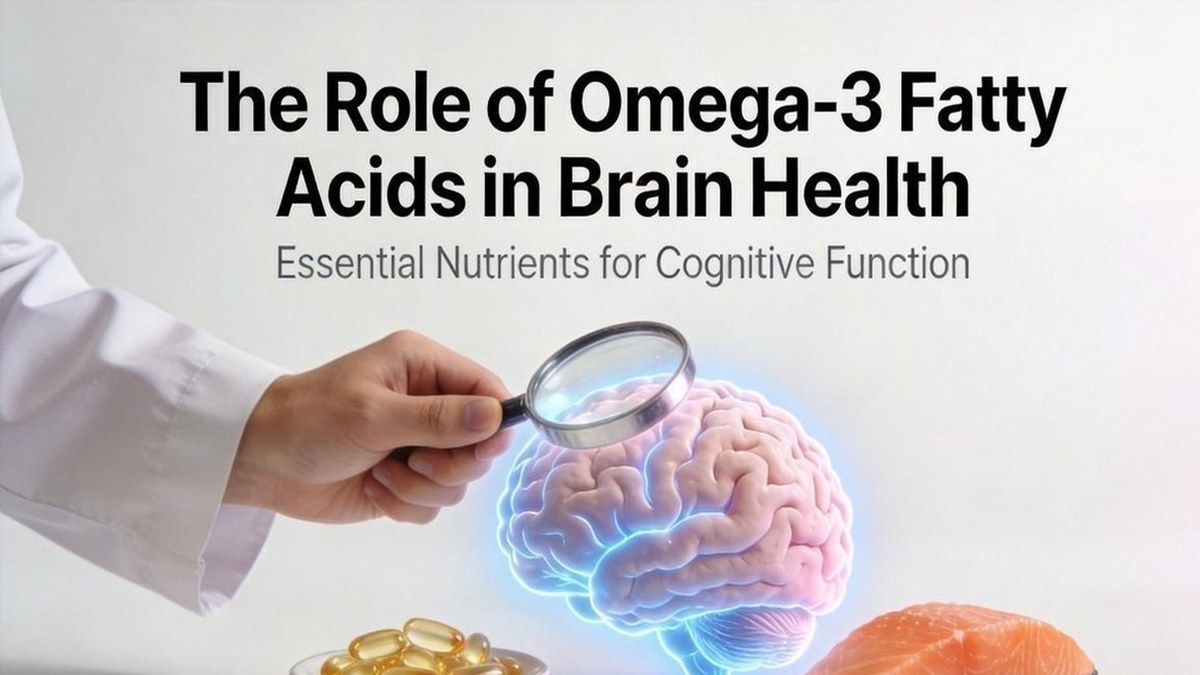
The Essential Role of Omega-3s in Brain Function
Omega-3 fatty acids—specifically docosahexaenoic acid (DHA) and eicosapentaenoic acid (EPA)—are foundational to brain health at every stage of life. The brain is approximately 60% fat, and DHA alone accounts for up to 97% of the omega-3s in the brain’s gray matter. These polyunsaturated fats are not merely structural; they are active modulators of neuronal signaling, inflammation, and neuroplasticity. Because the human body cannot synthesize DHA and EPA in sufficient amounts, they must be obtained through diet or supplementation. Decades of research underscore that adequate omega-3 intake is linked to sharper cognition, better mood regulation, and a lower risk of neurodegenerative diseases.
“A 2022 meta-analysis of 22 prospective studies found that individuals with the highest blood levels of DHA had a 17% lower risk of cognitive decline compared to those with the lowest levels.” — Journal of Alzheimer’s Disease
This article synthesizes the latest scientific evidence on how omega-3s protect and optimize brain function, and provides actionable strategies to ensure you’re meeting your daily needs.
How DHA and EPA Support Cognitive Health
DHA is preferentially incorporated into neuronal membranes, where it increases membrane fluidity and facilitates efficient neurotransmission. This enables faster signal propagation between neurons—critical for learning, memory, and attention. EPA, while present in smaller amounts in the brain, plays a powerful anti-inflammatory role by competing with pro-inflammatory omega-6 fatty acids. Chronic low-grade inflammation is a known contributor to cognitive impairment and mood disorders.
For example, a randomized controlled trial published in Neurology (2020) demonstrated that older adults with low baseline DHA who took 2.2 g of DHA daily for six months showed significant improvement in verbal episodic memory and executive function compared to placebo. Another study in Nutrients (2021) revealed that higher red blood cell DHA levels correlated with a larger hippocampal volume, a key area for memory formation.
Key mechanisms by which DHA and EPA support cognition include:
- Enhancing synaptic plasticity: DHA upregulates brain-derived neurotrophic factor (BDNF), a protein essential for growing and strengthening synapses.
- Reducing oxidative stress: Omega-3s upregulate antioxidant enzymes and protect neurons from free radical damage.
- Improving blood flow: EPA supports vasodilation and reduces platelet aggregation, ensuring the brain receives adequate oxygen and nutrients.
Omega-3s and Neuroprotection: Shielding the Aging Brain
Age-related cognitive decline and Alzheimer’s disease involve progressive synaptic loss, amyloid-beta accumulation, and neuroinflammation. Omega-3 fatty acids target each of these pathological processes. Population studies consistently report that adults with higher seafood intake (rich in DHA/EPA) have a lower incidence of Alzheimer’s. The Framingham Offspring Study found that those with the highest DHA levels had a 47% lower risk of developing dementia over 10 years.
Experimental models show that DHA reduces the production of amyloid-beta peptides and inhibits their aggregation into toxic plaques. Additionally, EPA-derived resolvins—specialized pro-resolving mediators—actively resolve inflammation in the brain, a process that becomes dysregulated with age. A clinical trial in Clinical Interventions in Aging (2020) reported that 1.6 g of omega-3s per day for 24 weeks slowed cognitive decline in individuals with mild cognitive impairment, a known precursor to Alzheimer’s.
For optimal neuroprotection, experts recommend achieving a plasma omega-3 index (the percentage of DHA+EPA in red blood cells) of at least 8%, up from the typical 4-5% seen in Western populations.
Omega-3s for Mental Health: Alleviating Depression and Anxiety
The brain’s reliance on omega-3s extends to emotional regulation. Meta-analyses of randomized controlled trials show that EPA-predominant omega-3 supplements (with at least 60% EPA) significantly reduce symptoms of major depressive disorder when used as adjunctive therapy. A landmark 2019 study in Translational Psychiatry found that EPA doses of 1–2 g per day were as effective as standard antidepressants for mild-to-moderate depression, with fewer side effects.
How does this work? EPA inhibits the conversion of arachidonic acid into pro-inflammatory cytokines, which are elevated in depression. It also increases serotonin receptor sensitivity and promotes neurogenesis in the hippocampus—a region often shrunken in chronically depressed individuals. For anxiety, a 2021 meta-analysis of 11 studies reported a moderate-to-large effect size of omega-3s on reducing anxiety symptoms, particularly in populations with high baseline stress.
It’s important to note that while omega-3s are not a replacement for professional mental health care, they serve as a robust, evidence-based component of a comprehensive treatment plan.
Actionable Steps: How to Optimize Your Omega-3 Intake
To translate these science-backed benefits into daily practice, consider the following strategies:
- Prioritize fatty fish: Aim for two servings (8–12 oz total) per week of salmon, mackerel, sardines, herring, or anchovies. These provide about 1–2 g of DHA+EPA per serving. Avoid fried fish, which negates benefits.
- Consider supplementation: If you don’t eat fish regularly, take a high-quality fish oil or algal oil supplement. Look for one that provides at least 500 mg combined DHA+EPA per capsule, and aim for a total daily intake of 1,000-2,000 mg for general brain health. For therapeutic use (depression, cognitive decline), doses of 2,000-4,000 mg may be warranted under medical supervision.
- Check the omega-3 index: Some functional medicine providers offer a simple blood test to measure your omega-3 index. An index above 8% is optimal; below 4% indicates deficiency.
- Balance omega-6 intake: Reduce oils high in linoleic acid (soy, corn, sunflower) to lower the omega-6:3 ratio, ideally to 4:1 or less. This amplifies the anti-inflammatory effects of omega-3s.
- Be consistent: Omega-3s accumulate slowly in tissues; benefits accrue over months. Consistency matters more than occasional high doses.
Conclusion: Prioritize Omega-3s for Lifelong Brain Health
The evidence is unequivocal: omega-3 fatty acids, particularly DHA and EPA, are indispensable for maintaining cognitive function, protecting against neurodegeneration, and supporting emotional well-being. From childhood development through older adulthood, these nutrients act as the brain’s foundation—structural, anti-inflammatory, and neuroprotective. While no single nutrient can guarantee perfect brain health, optimizing omega-3 status is one of the most potent, evidence-backed actions you can take. Start by increasing fatty fish in your diet or adding a verified supplement, and measure your progress over time. Your brain will thank you.