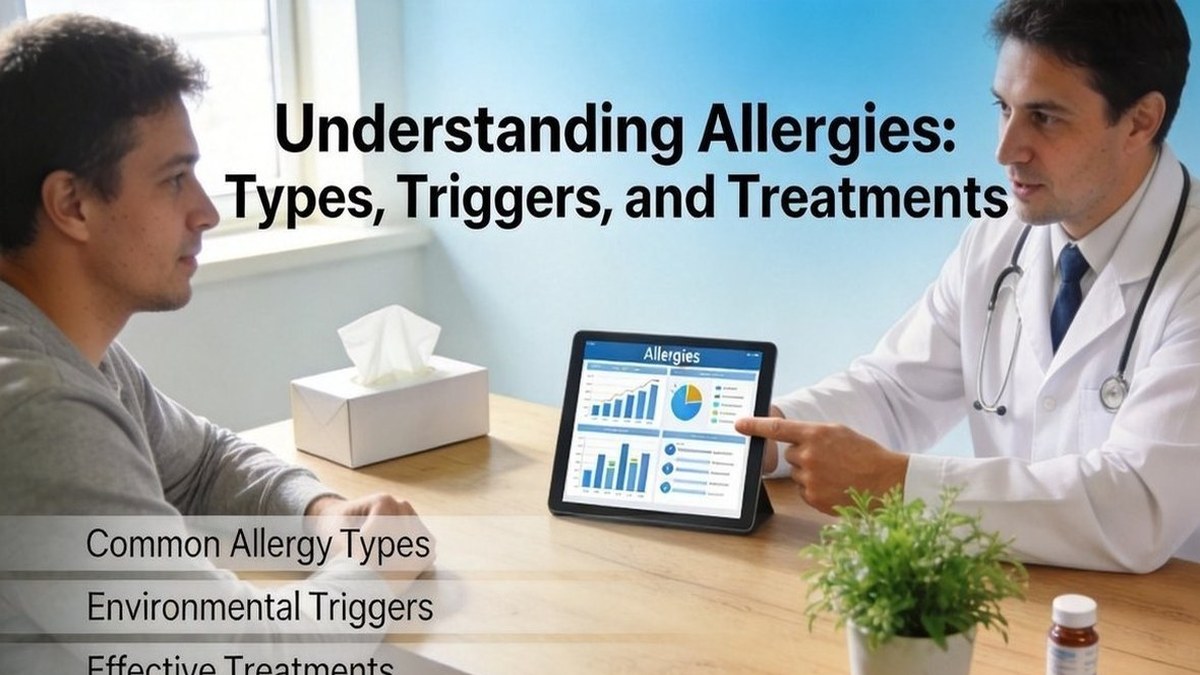
Understanding Allergies: The Immune System's Overreaction
Allergies represent a hypersensitive immune response to substances that are typically harmless to most individuals. When a person with a predisposition encounters an allergen—such as pollen, pet dander, or certain foods—their immune system mistakenly identifies it as a threat. This triggers a cascade of events: specialized B cells produce immunoglobulin E (IgE) antibodies that bind to mast cells and basophils. Upon re-exposure, the allergen cross-links IgE molecules, causing the release of histamine, leukotrienes, and other inflammatory mediators. These chemicals lead to symptoms such as sneezing, itching, swelling, bronchoconstriction, and in severe cases, anaphylactic shock. The underlying genetic and environmental factors are complex, but research consistently shows that allergic diseases have risen dramatically over the past few decades—a phenomenon often attributed to the hygiene hypothesis, which suggests reduced early-life microbial exposure alters immune development. Understanding this pathophysiology is not merely academic; it empowers patients to recognize triggers and seek appropriate medical care. The World Allergy Organization estimates that allergic conditions affect up to 40% of the global population, making them a significant public health concern. From seasonal hay fever to life-threatening food allergies, these conditions span a wide spectrum of severity and impact every organ system. The key takeaway is that allergies are not a sign of weakness but a measurable, biological disorder that can be managed with evidence-based strategies.
Common Types of Allergic Conditions
Allergies are classified by the route of exposure and the organ system involved. The most prevalent forms include allergic rhinitis (hay fever), which affects nasal passages and eyes due to airborne allergens like pollen or mold. Asthma, often triggered by similar inhalants, involves airway inflammation and constriction. Atopic dermatitis (eczema) causes itchy, inflamed skin and is strongly associated with food allergies and asthma in the "atopic march." Food allergies affect roughly 8% of children and 5% of adults, with common culprits being milk, eggs, peanuts, tree nuts, soy, wheat, fish, and shellfish. Drug allergies, including reactions to antibiotics like penicillin or NSAIDs, can range from mild rashes to anaphylaxis. Insect sting allergies (from bees, wasps, hornets, fire ants) cause localized swelling or systemic reactions. Less common but serious are latex allergies and allergic contact dermatitis (such as poison ivy). Each type has distinct features:
- Allergic Rhinitis: Characterized by sneezing, nasal congestion, runny nose, and itchy eyes; often seasonal (pollens) or perennial (dust mites, pet dander).
- Asthma: Wheezing, coughing, chest tightness, and shortness of breath; can be triggered by allergens, exercise, or irritants.
- Atopic Dermatitis: Dry, red, intensely itchy patches on skin, commonly in flexural areas; associated with defective skin barrier and immune dysregulation.
- Food Allergies: Symptoms within minutes to hours include hives, swelling, vomiting, diarrhea, and anaphylaxis; requires strict avoidance and epinephrine availability.
- Drug Allergies: Can present as urticaria, fever, serum sickness, or Stevens-Johnson syndrome; diagnosis often involves skin testing or graded challenge.
- Insect Sting Allergies: Large local reactions or systemic anaphylaxis; venom immunotherapy is highly effective.
Differentiating between these types is critical because treatments and avoidance strategies vary. For instance, while antihistamines work well for rhinitis, they are insufficient for anaphylaxis. Consulting an allergist ensures proper diagnosis and personalized management.
Identifying Triggers: From Pollen to Peanuts
Triggers are the specific substances that provoke allergic reactions. They can be inhaled, ingested, injected, or touched. The most common inhalant triggers include tree, grass, and weed pollens (e.g., ragweed in fall); mold spores (indoor and outdoor); dust mite feces; cockroach debris; and pet dander (cats, dogs, rodents). Food triggers vary by age and geography, but the "Big Eight" (milk, eggs, peanuts, tree nuts, soy, wheat, fish, shellfish) account for 90% of food allergies in the United States. Insect venom from stinging insects is a potent trigger, as are medications like beta-lactam antibiotics, aspirin, and chemotherapy agents. Latex—found in gloves, balloons, and medical devices—causes both contact dermatitis and immediate-type reactions. Occupational allergens (e.g., flour in bakers, isocyanates in painters) are also recognized. Environmental factors such as air pollution, tobacco smoke, and climate change can exacerbate symptoms by priming the immune system. Importantly, not all reactions are IgE-mediated; some involve delayed-type hypersensitivity (e.g., poison ivy). Identifying specific triggers requires careful history-taking and testing. Patients are advised to keep a symptom diary noting timing, exposure, and food intake. This information helps clinicians select appropriate tests. Avoidance remains the cornerstone of management, but it must be practical: for pollen, stay indoors on high-count days, use air conditioning, and shower after outdoor activity. For dust mites, encase mattresses and pillows in allergen-proof covers and wash bedding in hot water weekly. For food allergies, read every label and educate caregivers. With triggers correctly identified, patients can reduce exposure and prevent reactions.
According to the American College of Allergy, Asthma & Immunology, approximately 50 million Americans suffer from allergies annually, making it the sixth leading cause of chronic illness in the United States. Early diagnosis and avoidance strategies can significantly improve quality of life. One critical statistic: anaphylaxis from food allergies results in an ED visit every three minutes, underscoring the importance of carrying epinephrine auto-injectors at all times.
Diagnosis and Allergy Testing
Accurate diagnosis is the foundation of effective treatment. The process begins with a detailed history: what symptoms occur, when they happen, how long they last, and any identifiable triggers. A physical exam may reveal typical signs such as nasal swelling, wheezing, or eczema. Allergy testing then confirms sensitization. The two primary methods are skin prick testing and specific IgE blood tests (formerly called RAST). In skin testing, a small amount of allergen extract is placed on the skin, and the area is pricked; a wheal-and-flare reaction indicates sensitization. This test is rapid, sensitive, and results are available within 20 minutes. Blood tests measure the level of IgE antibodies to specific allergens and are useful when skin testing is contraindicated (e.g., severe eczema, dermatographism, or medication interference). For food allergies, the double-blind placebo-controlled oral food challenge is the gold standard, where the patient ingests increasing amounts of the suspected allergen under medical supervision. Patch testing is used for contact dermatitis to identify delayed-type allergens like nickel or fragrances. Other modalities include intradermal testing (for venom and drug allergies) and component-resolved diagnostics (to distinguish true allergy from cross-reactivity, e.g., peanut allergen components). It is essential to interpret test results in context—a positive test indicates sensitization, not necessarily clinical allergy. False positives are common, especially with food tests. Therefore, an allergist's expertise is crucial. Actionable steps for readers: if you suspect allergies, schedule an appointment with a board-certified allergist. Avoid antihistamines for 3–5 days before skin testing, as they can suppress reactions. Bring a list of potential triggers and any prior test results. Understanding your specific sensitizations allows targeted avoidance and treatment plans.
Treatment Approaches: Medications and Immunotherapy
Treatment for allergies follows a stepwise approach based on severity and type. For mild to moderate symptoms, over-the-counter options include oral antihistamines (cetirizine, loratadine, fexofenadine), which block H1 receptors and reduce sneezing, itching, and rhinorrhea. Intranasal corticosteroids (fluticasone, mometasone) are first-line for allergic rhinitis, as they effectively reduce inflammation with minimal systemic absorption. Decongestants (pseudoephedrine, oxymetazoline spray) provide short-term relief but should be used cautiously due to rebound congestion. For eye symptoms, mast cell stabilizer drops (ketotifen) or antihistamine drops are effective. In asthma, inhaled corticosteroids are the mainstay, supplemented by bronchodilators (albuterol) as needed. For atopic dermatitis, moisturizers, topical corticosteroids, or calcineurin inhibitors (tacrolimus) manage flares. Anaphylaxis demands immediate epinephrine (auto-injector) injection, followed by emergency care. For moderate-to-severe allergic rhinitis or asthma that is not controlled with medications, allergen immunotherapy is indicated. This involves regular administration of increasing doses of the allergen—via subcutaneous injections (allergy shots) or sublingual tablets or drops. Immunotherapy modifies the immune response, reducing IgE production and increasing tolerance. It is the only disease-modifying treatment, with benefits lasting years after completion. Biologic therapies like omalizumab (anti-IgE) and dupilumab (anti-IL-4/13) are reserved for severe cases, such as chronic spontaneous urticaria or eosinophilic asthma. Recently, oral immunotherapy for food allergies (especially peanut) has gained FDA approval, offering gradual desensitization. However, this must be done under specialist supervision due to risk of reactions. Actionable advice: always carry your prescribed medications, especially epinephrine if you have a history of anaphylaxis. Review your treatment plan annually with your allergist, and never abruptly stop corticosteroids or immunotherapy without guidance. Newer treatments continue to emerge, so stay informed through reliable sources.
Actionable Steps for Daily Management
Living well with allergies requires a proactive, multi-pronged strategy that goes beyond medications. Environmental control is paramount: monitor local pollen and mold counts via weather apps or websites like AAAAI's National Allergy Bureau. On high-pollen days, keep windows closed, use air conditioning with a HEPA filter, and change clothes after being outdoors. For dust mites, maintain indoor humidity below 50%, vacuum with a HEPA filter, and wash bedding weekly at 130°F (54°C). For pet allergies, designate pet-free zones (especially bedrooms), bathe pets weekly, and use high-efficiency filters. In the kitchen, prevent cross-contamination for food allergies—use separate cutting boards and utensils, and clearly label safe foods. When dining out, communicate allergens to staff and consider carrying chef cards. For insect sting allergy, avoid bright colors and perfumes outdoors, and wear shoes in grassy areas. Emergency preparedness: always carry two epinephrine auto-injectors if prescribed, wear a medical alert bracelet, and ensure family, friends, and coworkers know how to use them. Create an allergy action plan with your doctor that outlines steps for mild, moderate, and severe reactions. For children, coordinate with school nurses and teachers. Lifestyle factors also influence symptom severity: stress and lack of sleep can exacerbate allergic inflammation, so prioritize rest and relaxation techniques. Emerging research suggests that a diet rich in fruits, vegetables, and omega-3 fatty acids may support immune regulation. For infants at high risk, early introduction of peanuts (after age 4–6 months, per updated guidelines) can reduce peanut allergy development. Finally, stay current with immunotherapy options and new treatments by following reputable organizations like the American Academy of Allergy, Asthma & Immunology (AAAAI) and the European Academy of Allergy and Clinical Immunology (EAACI). By combining avoidance, pharmacotherapy, and immunotherapy under medical supervision, most people with allergies can achieve excellent control and maintain a high quality of life.